Plants are autotrophic organisms, that is, able to make their own food. To do so, they use sunlight, water (H2O) and carbon dioxide (CO2) present in the atmosphere. This process is called photosynthesis. Photosynthesis made the existence of life on Earth possible. By making photosynthesis, plants produce sugars, which serve as their food and also food for all other living beings that feed directly or indirectly on plants. Besides sugars, plants also produce oxygen (O2) through photosynthesis. The photosynthesis process can be simplified by the equation below:

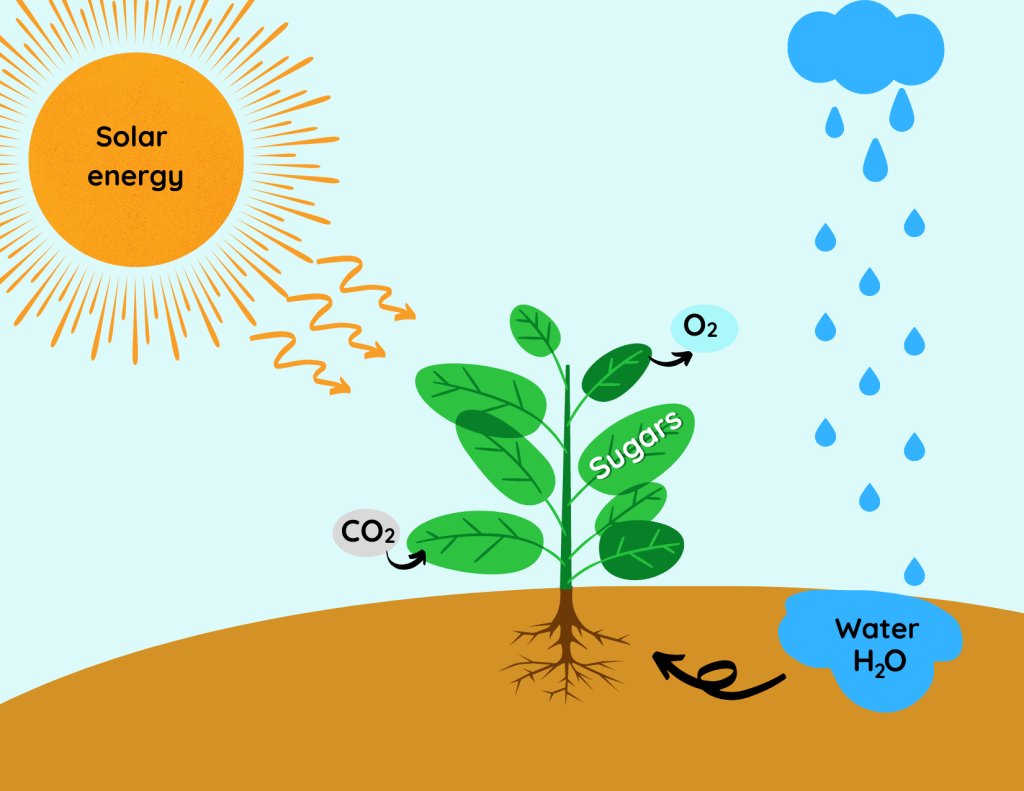
But what does photosynthesis have to do with the plant’s colour?
The sunlight is actually radiant energy that reaches Earth’s surface like a wave. This type of energetic wave is called the electromagnetic spectrum and it is composed of several waves with different sizes and different amounts of energy. The sunlight we see is only a small part of this spectrum, called visible light. In addition to visible light, the electromagnetic spectrum also contains several other waves. Here are some examples of waves:
- Radio waves,
- Microwaves,
- Infrared radiation,
- Ultraviolet radiation,
- X-rays, and
- Gamma rays.
The shorter the wave, the greater the amount of energy it has. On the other hand, the larger the wave, the smaller its energy.

The human eye perceives the visible light as white light. However, there are also several different waves with different sizes in the visible light. We can understand this when we pass white light through a prism. The light through the prism is broken into all the colours that make up the rainbow. In fact, the rainbow forms when light passes through droplets of water suspended in the atmosphere that act as tiny little prisms.
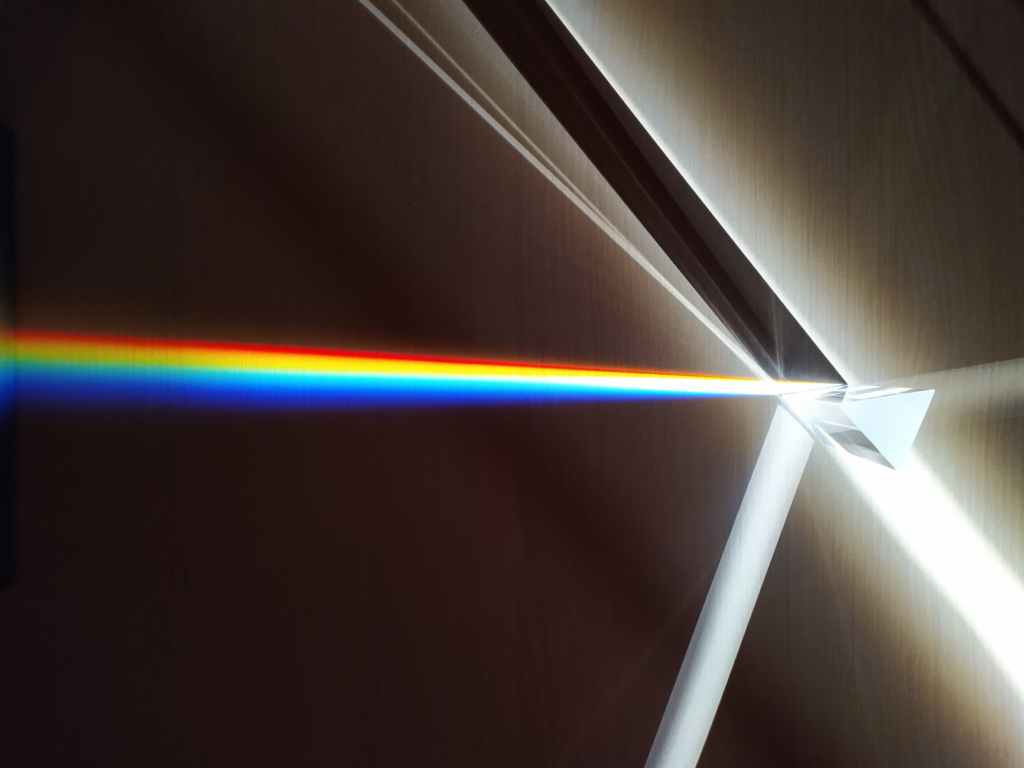
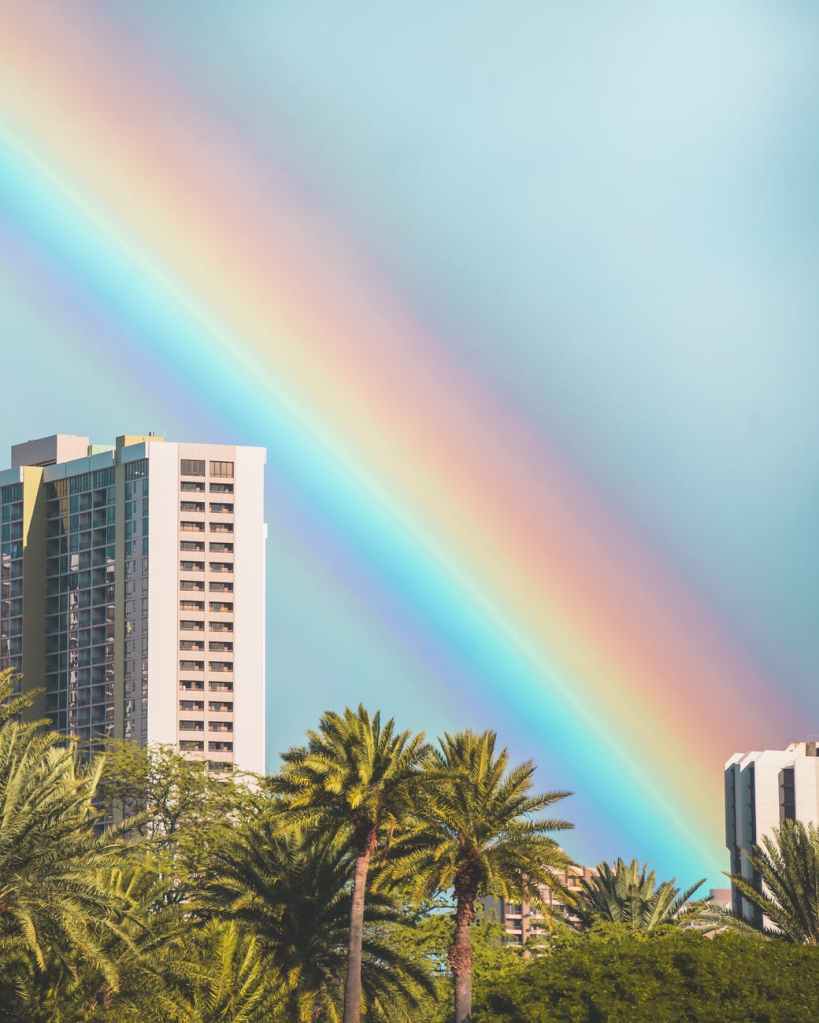
Right – The rainbow is formed when light passes through droplets of water suspended in the atmosphere. Photo by Jess Vide on Pexels.com
Of all wavelengths in the electromagnetic spectrum, plants use only those present in the visible light for photosynthesis. In the cells of all plants’ leaves, there are special structures, called chloroplasts. They are responsible for catching the visible light and using it in the process of photosynthesis.
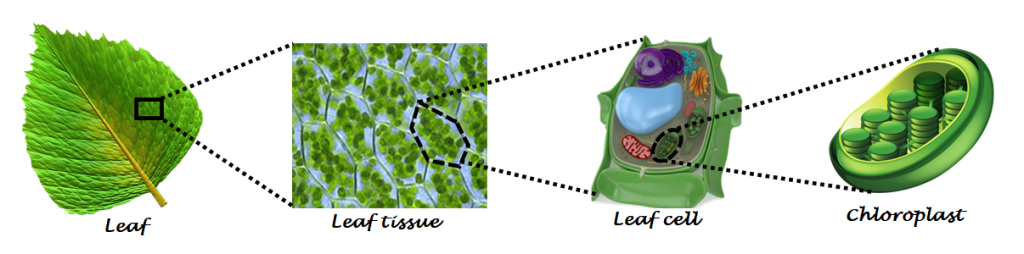
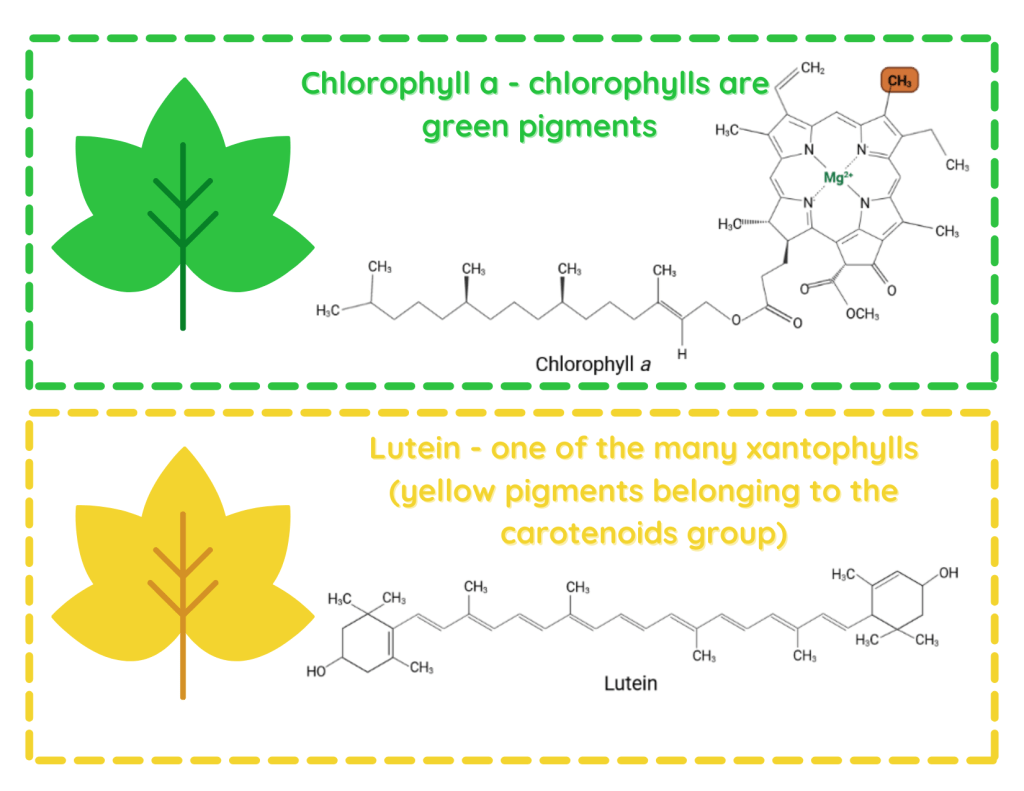
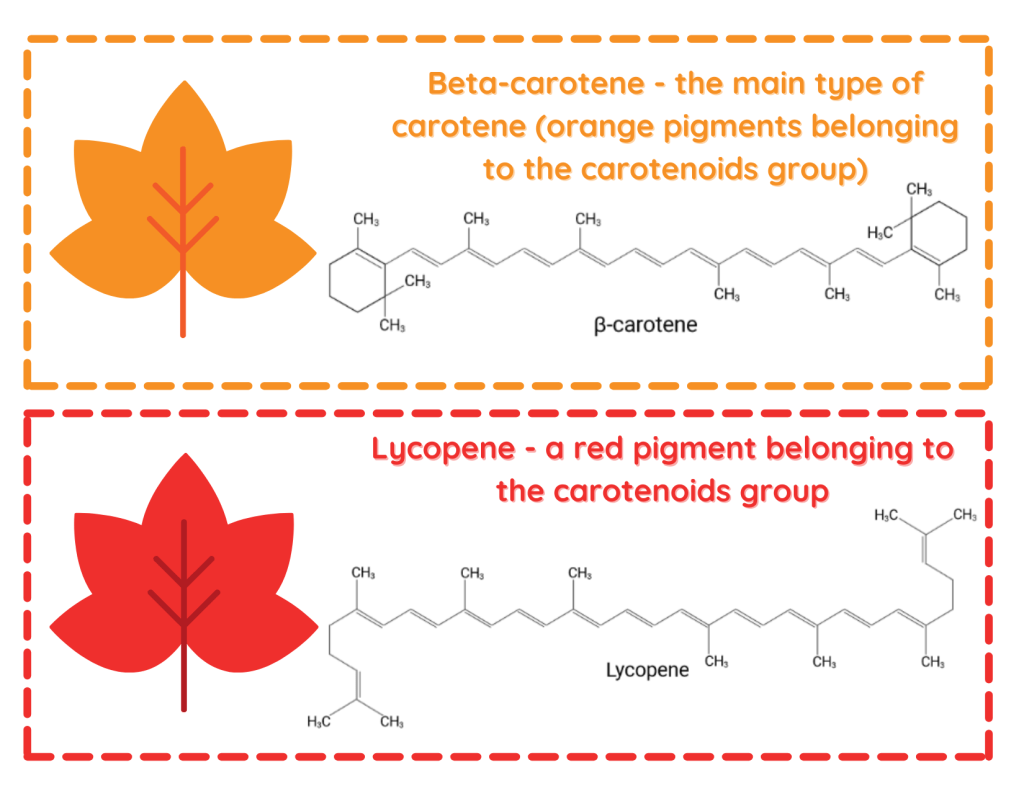
Inside the chloroplasts, there are structures called photosystems. Each chloroplast has millions of them. They are formed by pigment molecules called chlorophylls and carotenoids, bounded together with proteins. Plants have two types of chlorophylls, chlorophyll a and chlorophyll b, and many types of carotenoids. The most important are beta carotene (responsible for the orangish colour of carrots) and xanthophyll (Xantho is Greek for yellow).
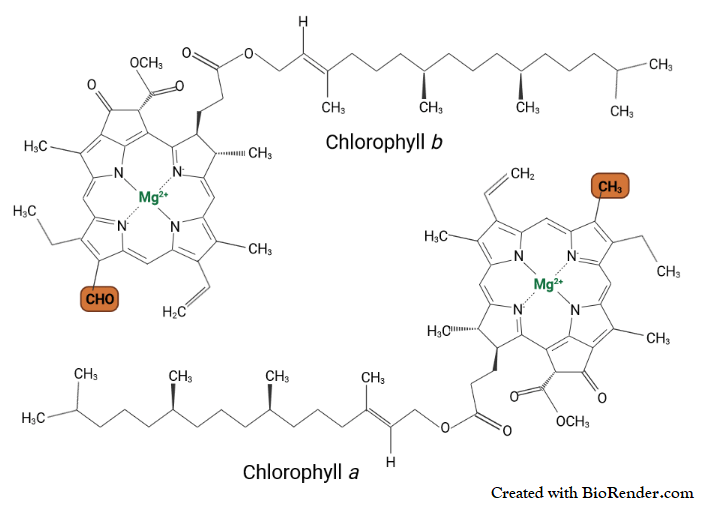
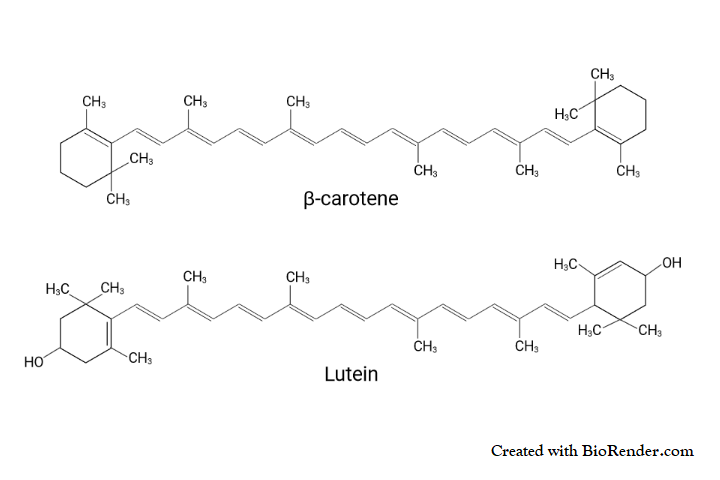
Into the photosystems, carotenoids and chlorophylls are placed in a way to form an antenna-like structure that catches small “bundles” of energy present in the light, called photons. Those photons are transported by a chain of many carotenoids and chlorophyll molecules until special chlorophylls, called the reaction centres of the photosystems. There is where the reactions that produce chemical energy in form of sugars begin to occur.
Besides helping chlorophylls to capture and transport photon energy, carotenoids also protect the photosystems against excess light, which can be harmful. We are going to talk about carotenoids in another post later.

Together, these pigments absorb violet, blue, indigo and red waves in the visible light spectrum. They also catch a little bit of yellow and orange. However, none of these pigments absorb the green light. As the green light is not absorbed, it ends up being reflected. That is why we see plants as green.
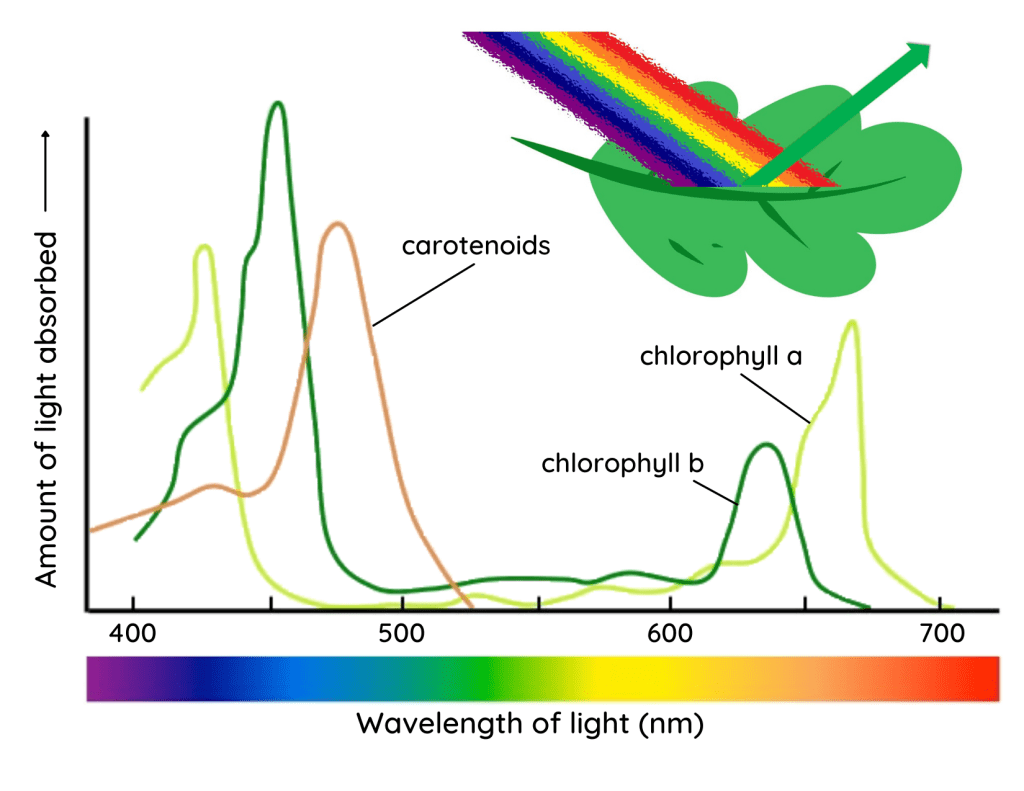
And what about the leaves that are not green? Do they have chlorophyll? Or do they have other pigments?
Leaves are the organs responsible for photosynthesis in plants. Therefore, all leaves have chloroplasts containing chlorophylls and carotenoids. However, those are not the only types of pigments present in leaves. There are three types of pigments present in the leaves of plants: chlorophyll, carotenoids and anthocyanins. The relative amount of their molecules inside the leaves is what determines the colours of the leaves.
The mature (fully developed) leaves have more chlorophylls than carotenoids and are thus seen as green. Older leaves stop producing chlorophyll since they would fall and the plant needs to save nutrient resources to make new leaves. This is why they look yellowish, orangish and reddish. Young leaves, however, are more sensitive to excess light. Therefore, they need more carotenoids and, in some plant species, they are seen as reddish.
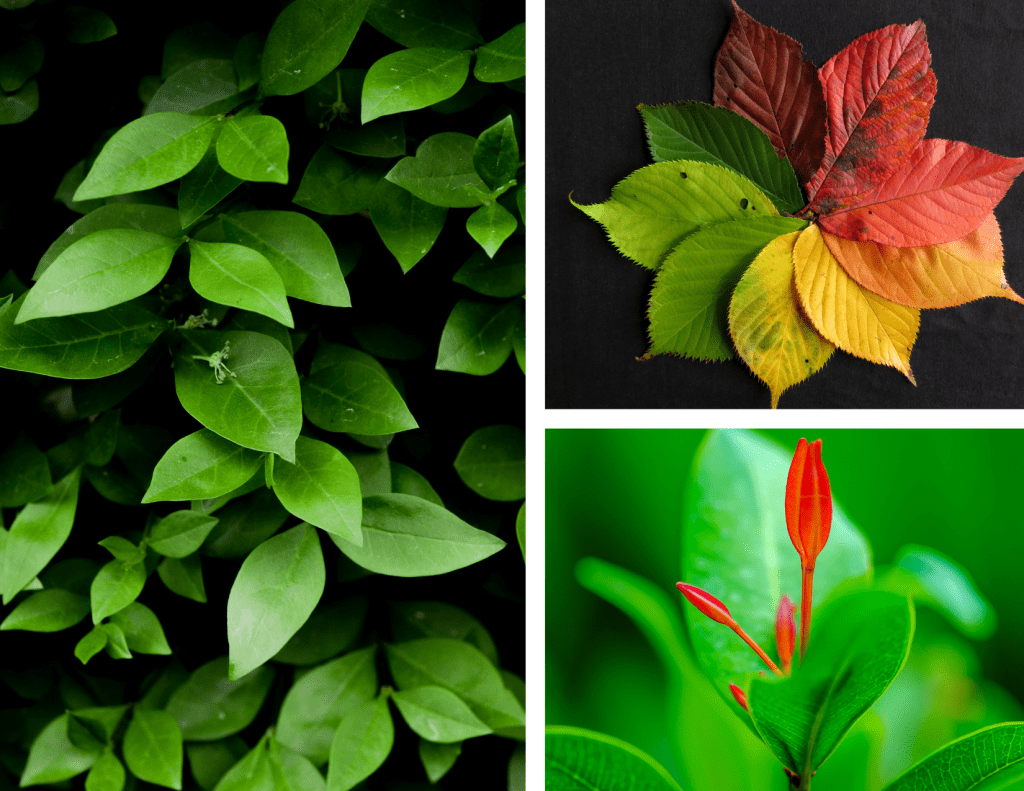
Up right – The process of aging in leaves. Old leaves stop producing chlorophyll and, because of that, the other pigments, like yellowish and orangish carotenoids become more evident. That’s why old leaves look yellow, orange and red.
Down right – Young reddish leaves. Young leaves are more sensitive to excess light. They need more carotenoids than chlorophyll. That’s why they look reddish. Photos from Canva.com
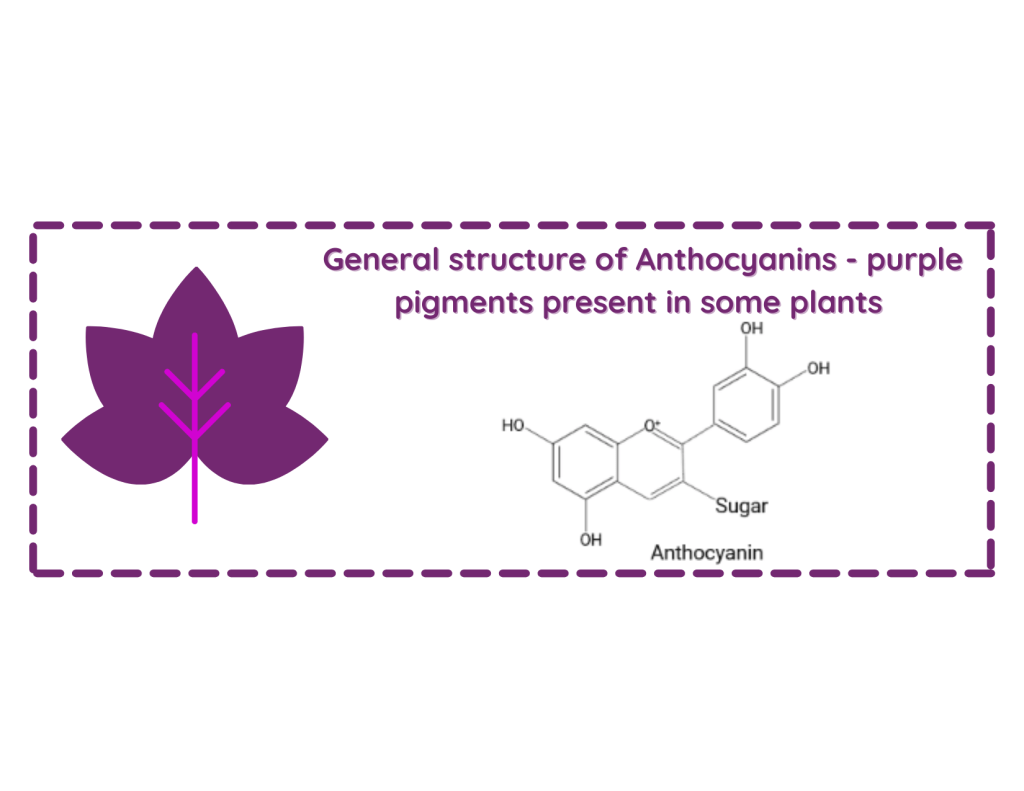
The red colour of some leaves come from the anthocyanins. Anthocyanins are pigments that range from red to purplish. They are made in the chloroplasts, but stored into the vacuoles. However, not all of plants produce anthocyanins. Even the ones that do, only produce them under certain circumstances.
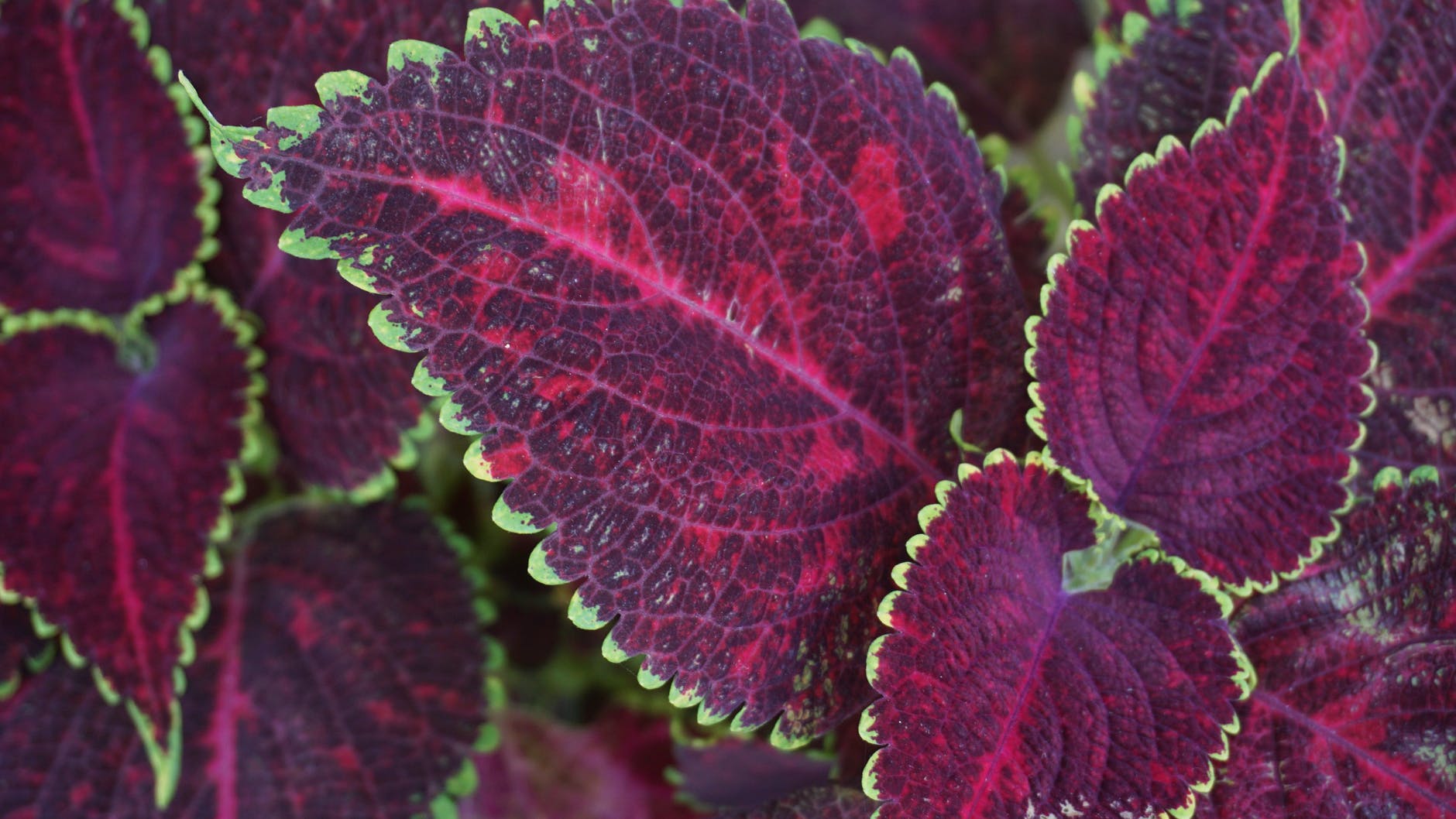
The main job of anthocyanins is the defence of plants against stress, including excessive light, and the attack of herbivores. They also help plants to recover any last remaining nutrients to be stored during winter, when some species loose their leaves. We are going to talk more about the winter-related changing of colours of some plants later as well.
Thus, the colour of the leaves is actually a combination of the different pigments in different amounts depending on the specific needs of the plants. The following are examples of the main pigments that contribute to the different shades of leaves:
To learn more about the fascinating world of plants’ colours, check out the links bellow.
- http://tomatosphere.letstalkscience.ca/Resources/library/ArticleId/4661/plant-pigments.aspx
- https://science.howstuffworks.com/life/botany/leaves-turn-red1.htm
- https://harvardforest.fas.harvard.edu/leaves/pigment
- http://plantsinaction.science.uq.edu.au/content/122-chlorophyll-absorption-and-photosynthetic-action-spectra
 Ana de Faria
Leave a comment